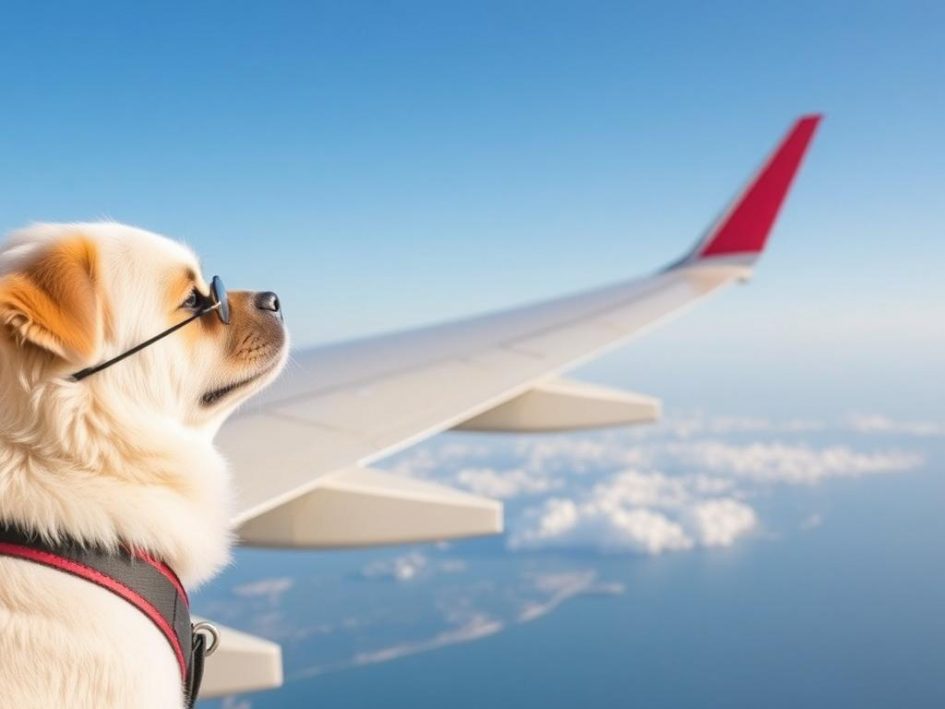
Traveling with pets can be a challenge, especially when crossing international borders. Cyprus, a popular destination in the Eastern Mediterranean, attracts travelers who often want to bring their furry companions along. For 2025, pet owners planning to fly pets to Cyprus 2025 need to understand the regulations, fees, and airline policies involved. This comprehensive guide delves into everything about pet-friendly airlines Cyprus offers, including the necessary paperwork, costs, and airline-specific rules—particularly focusing on the airline pet policy Larnaca, since it is the primary entry point.
Understanding Cyprus’ Pet Travel Regulations in 2025
Before booking a flight with your pet, you must familiarize yourself with the pet travel documents Cyprus requires. These documents are critical for ensuring that your pet’s entry into Cyprus is smooth and without unanticipated delays. Cyprus follows strict controls mainly due to concerns about rabies and other transmissible diseases.
First and foremost, pets traveling to Cyprus must possess an up-to-date EU Pet Passport or an approved Third-Country Veterinary Certificate if coming from outside the European Union. This document certifies that your pet has received rabies vaccinations in accordance with Cyprus rules and provides proof of microchip implantation. It is mandatory that pets are microchipped with an ISO 11784/11785 compliant microchip to facilitate identification.
Additionally, pets must have undergone a blood titer test, confirming the effectiveness of the rabies vaccination at least 30 days before travel but no more than 12 months earlier. This requirement minimizes the risk of importing infected animals and ensures public and animal safety on the island.
It’s important to understand that multiple quarantine exemptions exist only if the paperwork strictly complies with Cyprus guidelines. Otherwise, your pet may be subjected to quarantine upon arrival, which can be costly and stressful for the animal and owner alike.
Proper documentation and compliance with Cyprus’ pet travel regulations are essential to avoid quarantine and ensure a hassle-free arrival with your pet in 2025.
Pet-Friendly Airlines Cyprus: Major Carriers Operating to Larnaca
Larnaca International Airport is the main gateway for international flights entering Cyprus, making understanding the airline pet policy Larnaca essential. Several airlines pride themselves on their pet-friendly services, allowing passengers to bring pets in the cabin or as checked baggage or cargo. However, availability and rules vary significantly.
Major airlines flying from Europe, the Middle East, and other regions operate routes to Cyprus, but only some offer dedicated pet-friendly services. Notable pet-friendly airlines Cyprus travelers often use include:
- British Airways: Allows small dogs and cats in the cabin on flights to Cyprus, with specific crate size and weight restrictions.
- Emirates: Transports pets in the cargo hold with special care. Cabin travel for pets is limited and subject to health certificates.
- Turkish Airlines: Permits pets in both cabin and cargo, depending on size and breed, and enforces strict paperwork checks.
- Lufthansa: Offers pet transport in the cabin and cargo; travelers to Cyprus appreciate their professional handling and clear fee structures.
- Cyprus Airways: Local carrier with specific animal policies, usually allowing small pets in the cabin with proper documentation.
Each airline’s pet policy differs, influencing how pet owners prepare. For example, British Airways has more rigid crate requirements for cabin travel, while Emirates demands comprehensive veterinary health certificates and pre-approval.
Choosing the right pet-friendly airline Cyprus offers is a crucial step in ensuring your pet’s comfort and compliance during travel to Larnaca in 2025.
Animal Transport Fees Cyprus: What to Expect in 2025
One of the most significant considerations when planning to fly pets to Cyprus 2025 is the cost. Animal transport fees Cyprus airlines charge can greatly vary depending on the airline, the pet’s size, travel class, and whether the pet travels in the cabin, as checked baggage, or cargo.
Pet fees often include crate charges, veterinary certification processing, and insurance—if purchased. Below is a typical range of fees you might encounter when flying pets to Cyprus, illustrating the complexity and variability:
| Type of Transport | Typical Fee Range (Euros) | Notes |
|---|---|---|
| In-Cabin Travel (Small Pets) | €70 – €150 | Based on airline; max weight usually 8 kg including carrier |
| Checked Baggage | €150 – €300 | Pet travels in pressurized hold under supervision |
| Air Cargo | €200 – €600 | Used for larger animals or breeds not allowed in cabin |
| Additional Handling Fees | €50 – €100 | For customs, veterinary checks, and document processing |
Additional considerations include possible quarantine fees if documentation is not in order, or if pets arrive during specific seasonal restrictions (e.g., summer heat warnings). Airlines sometimes require you to book the pet transport separately well in advance, and last-minute additions can be costly or declined entirely.
Understanding animal transport fees Cyprus airlines charge is vital for budgeting a smooth pet relocation without surprises at booking or check-in.
Airline Pet Policy Larnaca: Key Rules and Restrictions You Must Know
Larnaca International Airport enforces strict compliance with airline pet policy Larnaca, focusing on security, animal welfare, and health standards. Airlines operating flights to Larnaca follow these to varying degrees, but some critical points are universal.
Firstly, most airlines require pets to be at least eight weeks old with full vaccination records. Exotic animals or certain breeds may be restricted or banned due to health risks or breed-specific regulations. Transport crates must meet International Air Transport Association (IATA) guidelines, ensuring pets have adequate space, ventilation, and comfort.
For cabin travel, pets must fit comfortably in a carrier under the seat, and baskets or carriers must be leak-proof and secure. Many airlines restrict the total weight (pet + carrier) to under 8 kilograms, while larger pets must be transported as cargo. Owners are frequently required to declare pets at booking to guarantee proper accommodation and to avoid surprising the airline on the day of the flight.
Additionally, some airlines flying pets to Cyprus 2025 enforce temperature restrictions during summer and winter months, limiting pet transport during extreme weather. You should always verify airline pet policy Larnaca well in advance and prepare contingency plans.
Adhering to airline pet policy Larnaca ensures your pet’s safety and helps you avoid last-minute travel disruptions when flying to Cyprus.
Pet Travel Documents Cyprus: Checklist for Entry in 2025
A well-prepared set of pet travel documents Cyprus requires is the backbone of successful pet transport. It is essential to gather and verify every document well before your flight. Failure to present complete paperwork could cause refusal of entry, fines, or quarantine for your pet.
Here is the primary checklist for pet travel documents Cyprus demand:
- Microchip Certificate: Proof of implantation with an identification number matching all documentation.
- Rabies Vaccination Certificate: Administered after microchip implantation and within the valid date window.
- Rabies Titer Test Results: Showing adequate antibody levels done at an approved laboratory.
- EU Pet Passport or Veterinary Health Certificate: Issued by a licensed veterinarian, detailing vaccinations, overall health, and recent treatments.
- Tapeworm and Tick Treatment Records: Depending on species and country of origin, some treatments are mandatory within a specific period before travel.
- Import Permit (if applicable): Some pets require pre-approval from Cyprus veterinary authorities.
Be aware that some airlines may require additional health clearances or specific forms. Always check with both the carrier and the Cypriot authorities for any updates or changes to these requirements to avoid last-minute complications.
Completing and verifying all pet travel documents Cyprus mandates prevents costly delays and ensures your pet’s lawful entry in 2025.
Planning Ahead: Tips for a Smooth Pet Journey to Cyprus
Transporting pets internationally is complex but manageable with the appropriate planning and knowledge. Start preparations at least three months in advance to complete vaccinations, tests, and to book appropriately pet-friendly airlines Cyprus has for your route.
Choose a pet crate that complies with both airline pet policy Larnaca and IATA standards. Get your pet accustomed to the crate well before travel to reduce stress. Verify the exact animal transport fees Cyprus airlines charge as part of your budget, and inquire about any seasonal restrictions for animal travel.
Keep a detailed checklist of all paperwork and make several copies—some airlines require physical copies at check-in, and you may need duplicates on arrival. In addition, consider purchasing travel insurance for your pet to cover emergencies during transit.
At the airport, arrive early to allow time for pet check-in and veterinary inspections. Carry a small supply of your pet’s favorite toys, water, and snacks to maintain comfort during waiting and boarding.
Early and detailed preparation is your best strategy for a stress-free and smooth trip when flying pets to Cyprus 2025.
Flying pets to Cyprus in 2025 involves multiple layers of preparation—from selecting the right airline and understanding animal transport fees to securing the necessary documents and adhering to airline pet policy Larnaca. Cyprus maintains rigorous health regulations to protect its animal and human populations, so compliance is non-negotiable.
By thoroughly researching pet-friendly airlines Cyprus offers and planning all steps meticulously, pet owners can ensure safe, comfortable, and lawful travel for their companions. Remember to review updated requirements close to your travel date, as international rules can evolve. Your efforts in preparation pay off by preventing headaches at the airport and providing peace of mind during the trip.
Whether your pet travels with you in the cabin or joins as cargo, knowing the full scope of paperwork, costs, and airline rules enables a seamless adventure to Cyprus. Your pet’s wellbeing starts long before departure—in your hands, planning and diligence make all the difference.
Taking the time to understand the full process of pet travel to Cyprus secures a happier, healthier arrival, turning your journey into a shared success story.
Frequently Asked Questions
- What paperwork do I need to fly my pet to Cyprus in 2025?
You need a microchip certificate, rabies vaccination proof, rabies titer test results, an EU Pet Passport or Veterinary Health Certificate, tick and tapeworm treatment records, and possibly an import permit. - Which airlines are most pet-friendly for flights to Larnaca?
British Airways, Emirates, Turkish Airlines, Lufthansa, and Cyprus Airways are generally known for accommodating pet transport to Larnaca. - How much should I expect to pay for animal transport fees Cyprus airlines charge?
Fees range from about €70 for small pets carried in-cabin up to €600 or more for larger animals transported in cargo. - Can I bring my pet in the cabin on flights to Cyprus?
Many airlines allow small pets in the cabin if they fit in an airline-approved carrier under the seat, generally with a maximum weight limit of 8 kg (including carrier). - What happens if my pet’s paperwork is incomplete on arrival in Cyprus?
Your pet may be placed into quarantine, refused entry, or you could face significant fines and delays. - Do any seasonal restrictions apply to flying pets to Cyprus?
Yes, some airlines and Cyprus regulations may limit pet travel during extreme heat or cold periods to ensure animal welfare. - How far in advance should I start preparing to fly my pet to Cyprus?
Start at least three months beforehand to complete vaccinations, testing, documentation, and to book flights on pet-friendly airlines Cyprus has to offer.