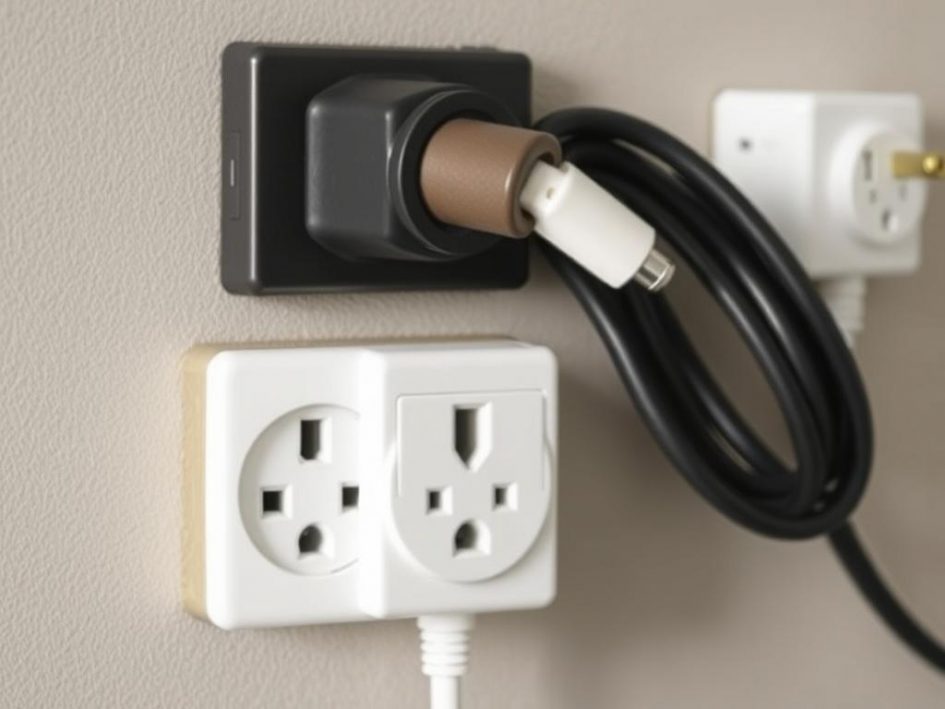
Understanding the electrical system of any country is essential for residents, travelers, and professionals alike. For Cyprus, which has its own unique set of electric standards, knowing the details about plugs, voltage, and adapters can save you from inconvenient mishaps or even damage to your devices. This article provides an in-depth exploration of Cyprus plug types, voltage specifics, and how to use electrical adapters safely while traveling or living on the island. The goal is to offer a definitive guide that caters to both technical accuracy and practical usability.
Fundamental Electric Standards Cyprus Operates On
Cyprus follows the European Union’s electric standards, which means its electrical infrastructure and regulations align closely with most continental systems. The island’s electrical framework operates primarily on 230 volts, with a frequency of 50 Hertz. This is a significant detail for anyone bringing electric appliances from countries with differing electrical specifications.
The voltage in Cyprus is standardized at 230V, but variations can sometimes be observed due to local power fluctuations or infrastructure quality. This voltage level dictates the type of electric appliances Cyprus residents and visitors can use. For example, using 240v appliances Cyprus models is common, as many devices are designed to withstand slight variations between 220V and 240V.
One critical aspect of the electric standards Cyprus follows is the strict adherence to safety and compatibility. The sockets and plugs used must conform to approved standards to ensure user security and prevent power failures or hazards. Understanding these standards is vital to selecting the best electrical adapter Cyprus visitors might require.
Cyprus uses 230V electricity with a 50 Hz frequency, aligning with European electric standards, ensuring smooth operation for most modern appliances designed for this voltage.
Cyprus Plug Type: What You Need to Know Before You Travel
The Cyprus plug type is the British-style Type G, characterized by three rectangular prongs arranged in a triangular pattern. This plug type is universally used throughout the island and is designed to handle the 230V voltage effectively. Travelers from countries using other plug styles need to be aware of this to avoid compatibility issues.
Type G plugs are generally robust, offering built-in fuses that protect devices from electrical surges—a feature that enhances safety compared to other plug types. The socket design itself ensures the earth pin is inserted before the power supply engages, reducing shock hazards.
Those unfamiliar with the Cyprus plug type often require an electrical adapter Cyprus suppliers provide to connect their devices safely. Such adapters must accommodate the Type G standard while matching the voltage and power requirements of the imported gadget. The necessity of a proper adapter becomes more pronounced when using sensitive or high-powered equipment.
It is important to note that many modern travel adapters include built-in fuses and surge protection, adding security when adapting plugs for Cyprus sockets. Buying a certified adapter is critical as cheap or counterfeit products can damage devices or fail safety standards.
The strict use of the Type G plug in Cyprus means travelers must prepare with suitable adapters and check their devices’ voltage compatibility to avoid electrical problems.
Technical Characteristics of Type G Plugs
The physical design of the Cyprus plug type is highly specific:
- Prong Dimensions: The three rectangular pins measure approximately 4 by 6.35 mm.
- Pin Arrangement: The earth pin is longer than the live and neutral pins, ensuring safety by grounding before power activation.
- Fuse Rating: Typically rated between 3A to 13A, depending on the device requirement, protecting internal circuits.
- Socket Construction: Insulated shutters prevent foreign objects from being inserted, reducing electrical hazards.
The combined effect of these features ensures a safe and reliable connection that suits Cyprus’ electrical infrastructure and consumer safety regulations.
Voltage in Cyprus: What This Means for Your Devices
The voltage in Cyprus is generally stable and consistent at 230V, which is used across homes, businesses, hotels, and public places. This voltage standard impacts the type of electric appliances Cyprus users can safely operate. Devices designed for lower voltages may not perform well or could be damaged without the correct voltage conversion.
240v appliances Cyprus residents commonly use are designed with tolerated voltage variations of around ±10%. This flexibility allows for fluctuations in the power grid without catastrophic damage to most appliances. However, travelers bringing electronics from countries with standard voltages lower than 230V should consider voltage converters or ensure their devices have universal power supplies.
Appliances like laptops, smartphones, and cameras now frequently feature dual-voltage support, accepting input voltages ranging from 100 to 240 volts. This makes them compatible with the voltage in Cyprus without additional converters. Conversely, certain devices like kitchen appliances, hairdryers, or electric razors may lack this feature and require step-down transformers.
Understanding the voltage in Cyprus (230V) is crucial for safely using electronic gadgets, especially those not designed for this power level.
Impact of Voltage on Appliance Lifespan
Operating devices at incorrect voltages can result in overheating, shortened lifespan, or outright failure. Constant exposure to voltage higher or lower than the device rating stresses the internal components. In Cyprus’ case, running appliances designed for 110V on its 230V supply without adequate conversion will cause irreversible damage.
Likewise, appliances designed specifically for 240V, like many in the UK or Cyprus itself, operate efficiently and safely on Cyprus power without alterations. Users should verify their equipment labels or manufacturer information before use.
Electrical Adapter Cyprus: Choosing the Right Solution
Electrical adapters are essential for travelers or expatriates who bring devices that do not fit Cyprus plug type sockets. An electrical adapter Cyprus supplier provides converts the physical plug shape but does not change the electrical voltage. This distinction is crucial, as adapters alone cannot protect devices from voltage incompatibility.
Effective electrical adapters for Cyprus must meet certain criteria:
| Feature | Explanation |
|---|---|
| Compatibility | Makes foreign plugs fit Type G sockets found in Cyprus |
| Safety | Includes fuses or surge protection to prevent device damage |
| Durability | Constructed from fire-resistant materials with sturdy pins |
| Certifications | Meets international safety standards such as CE or BS1363 compliance |
Selecting an adapter with a built-in fuse not only prevents damage but also fulfills Cyprus’ safety regulations. Generic adapters without proper certification should be avoided, as they often lead to malfunctions or pose safety risks.
Many users prefer all-in-one travel adapters that accommodate multiple plug types and include USB outlets. These versatile adapters work well for business travelers and tourists carrying multiple devices reliant on different power standards.
An electrical adapter Cyprus version is vital for safely connecting devices to the Type G sockets but must be chosen with care to ensure voltage compatibility and certified safety.
Using 240v Appliances Cyprus Safely: Tips and Practices
Many households and businesses in Cyprus use 240v appliances designed explicitly for the region’s electric standards. These appliances include kettles, washing machines, air conditioners, and more. Using these devices correctly is fundamental to product longevity and personal safety.
Owners of 240v appliances Cyprus models should consider multiple factors:
- Plug Compatibility: Always ensure devices have the correct Type G plug or use certified adapters.
- Voltage Fluctuations: Despite grid stability, minor voltage spikes or drops can occur, so power surge protectors are advisable.
- Regular Maintenance: Electrical appliance cords, fuses, and plugs should be inspected periodically for wear or damage.
- Avoid Overloading Circuits: Plugging too many high-power devices into one circuit can cause tripping or damage.
Proper handling reduces the risk of electrical fires, device malfunctions, and personal injury. Cyprus electric standards require that all installations comply with national regulatory bodies, which demand testing and certification of electric appliances and their accessories.
Safe use of 240v appliances in Cyprus hinges on plug compatibility, protective devices, and adhering to electrical safety protocols.
Cyprus, as part of the European Union, continuously updates its electric standards and infrastructure to incorporate evolving technologies and environmental strategies. Smart grids, renewable power integration, and enhanced safety requirements are increasingly influencing the island’s electricity landscape.
Consumers can expect newer plug and socket designs to maintain the core Type G compatibility while potentially incorporating smart safety features such as automated cutoffs, energy monitoring, and compatibility with IoT devices. While these advancements will improve efficiency and sustainability, the core voltage in Cyprus is expected to remain consistent at 230V for compatibility reasons.
Additionally, the ongoing shift towards solar and wind energy sources places new demands on electrical appliances and adapters used on the island. These sustainable systems require devices that can handle variable power inputs and smart calibrations, pushing manufacturers and users towards more sophisticated electrical equipment.
Future electrical updates in Cyprus will enhance safety and sustainability but will maintain compatibility with existing plug and voltage standards.
Powering Up in Cyprus: Final Thoughts for Users and Travelers
Understanding Cyprus electrical standards is more than a technical necessity; it is a key factor in ensuring uninterrupted power supply and device safety. Whether you are a resident, an expatriate, or a traveler, knowing the Cyprus plug type, voltage in Cyprus, and correct use of electrical adapters will shield you from costly electrical mishaps.
The British Type G plug’s dominance, the stable 230V power supply, and rigorous safety regulations collectively create a user environment designed for dependability and security. However, the responsibility rests with you to verify device compatibility, opt for certified electrical adapter Cyprus models, and handle 240v appliances Cyprus users depend on with care. Ignoring these fundamentals can lead to appliance damage, safety hazards, or inconvenient power failures.
The electric system in Cyprus represents a blend of tradition and modern safety practices aimed at preserving consumer protection and meeting technological advances. By arming yourself with the right knowledge and equipment, you ensure that your electrical experience here is smooth, secure, and efficient.
Mastering Cyprus’ electrical standards ensures device longevity, personal safety, and a hassle-free electrical experience whether living, working, or traveling on the island.
Frequently Asked Questions About Cyprus Electrical Standards
- What type of plug is used in Cyprus?
The Cyprus plug type is Type G, which has three rectangular prongs arranged in a triangular shape, the same as used in the United Kingdom. - What voltage is used in Cyprus?
The standard voltage in Cyprus is 230 volts with a frequency of 50 Hertz, compliant with European electric standards. - Can I use my 110V appliances in Cyprus?
No, 110V appliances require a step-down voltage converter to operate safely; using them directly may damage the device or cause hazards. - Do I need an electrical adapter when traveling to Cyprus?
Yes, travelers from countries with different plug types will need a Type G electrical adapter Cyprus version to connect their devices to local sockets. - Are 240v appliances Cyprus models compatible with all sockets?
Yes, these appliances typically come with Type G plugs or require appropriate adapters and are designed for the local voltage standard. - Does the electrical adapter convert voltage in Cyprus?
No, most adapters only change the plug shape and do not convert voltage; additional voltage converters may be necessary for incompatible devices. - Are there any safety tips for using electrical devices in Cyprus?
Yes, always use certified adapters, avoid overloading circuits, check appliance plugs for damage, and consider surge protection to guard against power fluctuations.