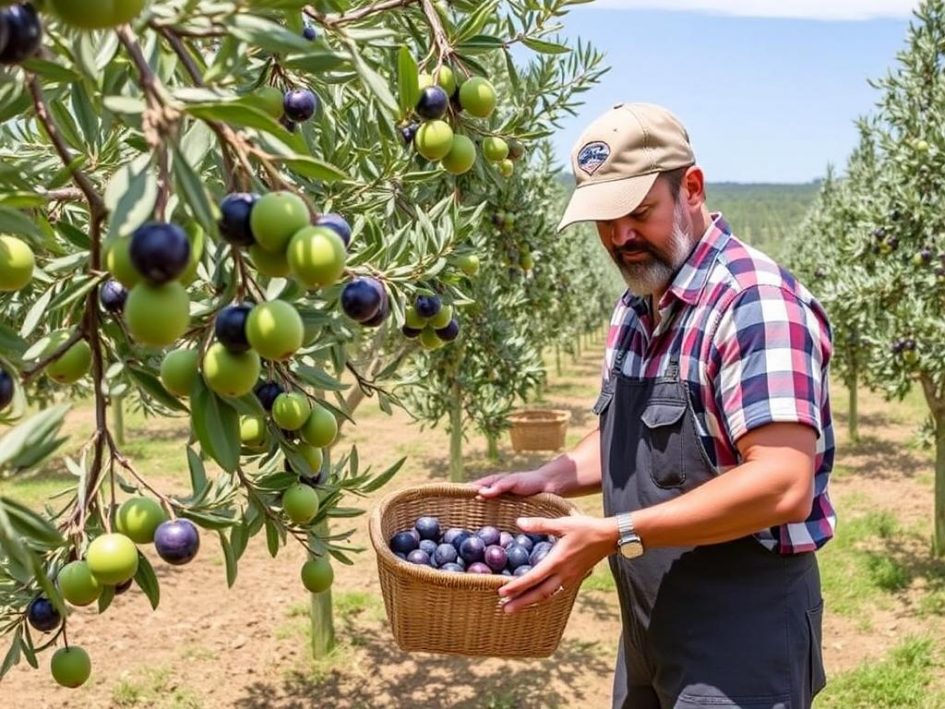
The agricultural sector in Cyprus plays a crucial role in the island’s economy, with the olive industry standing out as a significant component. Each year, the olive harvest season demands a substantial influx of labor, often exceeding the capacity of local workers. This demand creates a vital opportunity for those seeking seasonal employment Cyprus 2025. Understanding the nuances of the seasonal agricultural worker visas, particularly in relation to olive harvest jobs Cyprus, is essential for both employers and prospective workers. Navigating the regulatory framework, application procedures, and employment conditions requires thorough knowledge and careful preparation. This article delves deeply into every aspect associated with seasonal agricultural work in Cyprus, providing a comprehensive guide for 2025.
The Importance of Olive Harvest Jobs in Cyprus’ Agricultural Sector
Olive cultivation in Cyprus dates back millennia, with the island’s climate and terrain perfectly suited for olive trees. The olive harvest season typically occurs between October and December, focusing labor demand into a concise, high-intensity period. Olive harvest jobs Cyprus thus represent a seasonal surge in agricultural labor requirements. This seasonal spike affects the economy significantly, accounting for not just crop yield but also associated industries like olive oil production and export.
Local farmers often find it challenging to meet this peak labor demand from within the resident population, which has seen a decline in traditional agricultural participation. Hence, the cyclical need for external labor—especially via fair, regulated channels—is indispensable. Seasonal agricultural workers provide flexible manpower that aligns perfectly with the olive harvesting timeline.
Olive harvest jobs in Cyprus mark a critical seasonal labor demand that sustains both the local economy and export-driven agriculture sectors.
Understanding the Cyprus Seasonal Work Visa for Agricultural Labor
The Cyprus seasonal work visa is designed to legally facilitate the temporary entry of foreign workers specifically for seasonal employment. Agricultural labor is a dominant category under this visa, notably for olive harvesting and other crop-related jobs. The visa provides a formal channel to employ non-EU citizens for limited periods, ensuring compliance with labor laws and social protections.
Applicants for the seasonal agricultural worker visa must meet clearly defined criteria, including a valid job offer, health clearance, and adherence to specific application timings linked to the harvest season. Employers must justify the need for foreign labor by demonstrating an inability to fill positions locally, often submitting detailed requests related to seasonal agricultural operation schedules.
Unlike long-term work permits, the Cyprus seasonal work visa typically covers a duration of up to six months, aligning it closely with the olive harvest period. This time-limited authorization requires workers to exit at the conclusion of their contracts unless a separate permit renewal or extension is secured.
The Cyprus seasonal work visa offers a streamlined path to meet urgent, short-term labor demands in agriculture while protecting worker rights and legal compliance.
Eligibility and Application Process for Agricultural Worker Permit Cyprus
The agricultural worker permit Cyprus is the administrative document underpinning the seasonal work visa, granted after a successful application process. Eligibility is often contingent upon the worker’s nationality, existing employment history, and health status. The procedures are structured to ensure that applicants are both suitable for intensive agricultural labor and that their presence will not disrupt local employment opportunities.
Applicants must gather and submit several documents: a signed employment contract, valid travel documents, proof of accommodation in Cyprus, and often a health certificate confirming fitness for agricultural work. The application typically initiates with the employer’s petition, followed by embassy-level visa processing in the worker’s home country.
The timeline for obtaining the agricultural worker permit Cyprus can vary but generally takes several weeks, making early preparation vital given the fixed harvest start dates. Authorities also emphasize compliance with Cyprus’ labor laws, minimum wage regulations, and safety standards to protect seasonal workers throughout their employment.
Farm Work Visa Cyprus: Specifics Related to Olive Harvesting
While farm work visa Cyprus extends to various agricultural sectors, olive harvest jobs Cyprus represent a major segment demanding this authorization. The seasonal nature of the olive harvest imposes strict timing on both issuing the visa and deploying workers to the fields. This visa category is distinct in its concentrated time frame and the physical demands placed on workers.
The conditions surrounding the farm work visa Cyprus include mandatory registration with local authorities upon arrival, enrollment in social insurance schemes, and adherence to workplace safety protocols. Employers have legal obligations to provide adequate training and protection against work-related hazards, particularly given the rugged terrain and manual effort involved in harvesting olives.
Since the olive harvest affects rural areas, transportation and living arrangements are commonly organized to accommodate incoming workers, with some employers providing communal housing or assistance in locating affordable lodging. This support aids in worker retention and minimizes disruptions during the peak harvesting period.
The farm work visa Cyprus is tailored to meet the dynamic, seasonal demands of the olive harvest, ensuring both workforce readiness and regulatory adherence.
Key Benefits and Risks of Seasonal Employment Cyprus 2025 in Agriculture
Seasonal employment Cyprus 2025 in agriculture offers several benefits for both employers and workers. Employers gain a scalable labor source to meet fluctuating demands without long-term obligations, while workers can earn income and gain valuable experience in the agricultural sector. Seasonal roles often come with legally mandated minimum wages and protections, safeguarding against exploitation.
However, seasonal agricultural work also carries risks. Workers face physically demanding conditions and often live away from home in temporary housing. Occupational hazards, such as exposure to pesticides, repetitive strain injuries, and weather-related risks, are common. Moreover, regulatory compliance varies in practice, meaning some workers may experience suboptimal conditions.
For employers, managing seasonal workers involves navigating complex legal frameworks, logistical challenges related to housing and transportation, and cultural integration. Effective communication and adherence to Cyprus employment standards are crucial to prevent labor disputes and ensure smooth operations.
Legal Framework Governing Seasonal Agricultural Worker Visas
The legal foundation for seasonal agricultural worker visas in Cyprus is derived from both national labor laws and overarching European Union directives. These regulations aim to balance economic needs with human rights and labor protections.
Under Cyprus legislation, seasonal workers are entitled to contracts specifying terms of employment, wages, working hours, and health and safety provisions. The government closely monitors employer compliance through periodic inspections and enforces penalties for breaches.
Furthermore, bilateral agreements between Cyprus and countries supplying seasonal labor facilitate smoother visa issuance and worker mobility. These agreements outline shared responsibilities for worker welfare, dispute resolution mechanisms, and data exchange practices involved in employment monitoring.
Cyprus seasonal worker visa regulations integrate EU standards and local law, promoting fair treatment and accountability in seasonal agricultural employment.
The Role of Employers in Olive Harvest Hiring 2025
Employers in Cyprus bear significant responsibilities in the olive harvest hiring process. Their role begins with accurate forecasting of labor needs, submission of visa petitions, and ensuring recruitment transparency. Employers must verify worker eligibility, provide clear employment contracts, and maintain compliance with workplace safety regulations.
Throughout the season, employers are tasked with facilitating worker orientation, monitoring health conditions, and reporting any employment terminations or extensions promptly to authorities. Additionally, they ensure that payment structures comply with the Cyprus minimum wage for seasonal workers and that working hours meet legal norms.
Failing to meet these responsibilities can result in fines, legal disputes, and challenges in accessing seasonal worker pools in subsequent years. There is also reputational risk, as Cyprus increasingly promotes ethical labor standards within its agricultural export markets.
Practical Tips for Workers Seeking Olive Harvest Jobs Cyprus
Prospective workers considering olive harvest jobs Cyprus must prepare carefully to maximize the benefits of seasonal employment. Securing a legitimate job offer through registered employers or recruitment agencies is paramount to avoid fraud and exploitation.
Understanding the terms of the Cyprus seasonal work visa, including duration, rights, and obligations, empowers workers to advocate for fair treatment. Health preparation is crucial, given the physicality of agricultural labor, and familiarization with local labor laws can help prevent misunderstandings.
Language barriers may pose challenges, so basic knowledge of Greek or English can improve communication and work integration. Workers should also plan for accommodation logistics and personal budgeting before arrival, as well as arrange travel documents well in advance.
Thorough preparation and awareness of rights are key for workers aiming to succeed in seasonal agricultural employment in Cyprus.
The Economic Impact of Seasonal Workers on Cyprus Agriculture
Seasonal employment, especially through African and Eastern European labor, constitutes a backbone for Cyprus’ agricultural productivity. The timely availability of seasonal workers ensures the viability of crops like olives that cannot be mechanically harvested at scale. This seasonal labor force thus directly influences the quality, quantity, and profitability of agricultural outputs.
In economic terms, seasonal worker inflows translate to steady crop yields, sustained export revenues, and the preservation of rural livelihoods. The sector also stimulates ancillary industries such as transportation, housing, and food services. Crucially, without seasonal workers, certain crop cycles would fail to achieve market success, creating ripple effects on national food security and trade balances.
Policymakers continuously assess the balance between protecting local employment and meeting agricultural labor demands, aiming to optimize visa quotas and improve worker integration practices for long-term sustainability.
Forecasts and Challenges for Seasonal Employment Cyprus 2025
Looking ahead to seasonal employment Cyprus 2025, several trends and challenges are emerging. Increasing mechanization in agriculture may reduce some labor needs, but olive harvesting remains largely manual due to quality considerations. At the same time, global labor mobility pressures and post-pandemic regulatory shifts add layers of complexity to visa processing and worker recruitment.
Climate change poses additional uncertainties, with altered weather patterns potentially impacting olive harvest dates and volumes. This evolution requires flexible seasonal employment frameworks that can respond quickly to shifting agricultural realities.
Moreover, Cyprus aims to enhance working conditions and integrate seasonal laborers more fully into local communities, which demands significant investment in social infrastructure, language training, and legal enforcement.
| Challenge | Description | Potential Solution |
|---|---|---|
| Labor Shortages | Difficulty in attracting and retaining skilled seasonal workers. | Improved recruitment frameworks and worker incentives. |
| Legal Compliance | Ensuring employers meet labor laws and social protections. | Regular inspections and stricter enforcement. |
| Climate Impact | Unpredictable harvest timing due to changing weather. | Flexible visa timing and contingency planning. |
| Worker Integration | Challenges in language and social inclusion. | Language courses and community engagement programs. |
Enhancing the Seasonal Work Visa Experience: Recommendations for 2025
To improve outcomes for all stakeholders in the seasonal agricultural sector, several key recommendations should guide Cyprus’ policy and operational adjustments for 2025. Streamlining visa application processes through digital platforms can reduce delays, helping align labor arrivals with harvest timelines. Enhanced employer education on legal responsibilities will promote higher compliance levels.
Developing comprehensive worker support systems—covering health services, housing standards, and conflict resolution—will boost worker satisfaction and productivity. Governments, employers, and civil society must collaborate to foster transparent, ethical recruitment practices preventing exploitation.
Moreover, data collection on seasonal worker experiences and economic impacts should be standardized to inform better policy design. Such data-driven approaches will ensure that seasonal agricultural work remains a vital and sustainable facet of Cyprus’ agricultural economy.
Your Next Steps Towards Securing a Farm Work Visa Cyprus for Olive Harvest 2025
For those interested in seasonal agricultural work for the olive harvest in Cyprus, preparation is the key to success. Begin by researching legitimate employers and government-recognized recruitment channels. Gather all necessary documentation early, including health records and valid IDs. Stay updated on changes in visa regulations throughout 2025 to avoid last-minute complications.
Employers should start strategizing their workforce needs well in advance, coordinating with immigration authorities and community organizations to ensure a smooth hiring and integration process. Clear communication about job conditions and cultural expectations will pave the way for positive seasonal employment experiences.
By proactively addressing challenges and capitalizing on opportunities, the 2025 olive harvest season can sustain Cyprus’ agricultural heritage while providing meaningful employment abroad.
The olive harvest is more than a seasonal agricultural task; it is a culturally and economically significant chapter in Cyprus’ annual cycle. The Cyprus seasonal work visa and agricultural worker permit Cyprus frameworks act as vital mechanisms transforming this seasonal need into a structured labor opportunity for thousands of workers worldwide. By understanding the specific demands related to olive harvest jobs Cyprus and the farm work visa Cyprus requirements, stakeholders can ensure efficient, legal, and humane employment experiences.
Looking forward to seasonal employment Cyprus 2025, the challenges are tangible but surmountable through collaboration, policy refinement, and a commitment to workers’ rights. The agricultural sector’s continued vitality depends on such inputs, making the 2025 olive harvesting season an important benchmark in Cyprus’ ongoing labor and economic evolution.
The future of Cyprus’ olive harvest depends on well-managed seasonal work visas, ethical hiring, and adaptive policies that respect both productivity and human dignity.
Frequently Asked Questions
- What is the Cyprus seasonal work visa?
The Cyprus seasonal work visa is a temporary visa allowing foreign workers to enter Cyprus legally for seasonal employment, primarily in agriculture such as the olive harvest. - Who is eligible for an agricultural worker permit Cyprus?
Non-EU nationals with a valid job offer for seasonal agricultural work, health clearance, and relevant travel documents, typically arranged through employer sponsorship, are eligible. - How long can I work on a farm work visa Cyprus?
The farm work visa usually permits work for up to six months, aligned with the seasonal period of the agricultural activity. - Can seasonal workers extend their stay beyond the olive harvest season?
Extensions are rare and typically require a new permit or a change in visa status, subject to immigration authorities’ approval. - What protections do seasonal workers have in Cyprus?
Seasonal workers are entitled to fair wages, health and safety protections, social insurance coverage, and formal employment contracts under Cyprus law. - How can employers apply for seasonal agricultural worker visas?
Employers must submit a request demonstrating labor shortages and provide employment contracts; the application proceeds through immigration authorities and consular processing. - Are there language requirements for seasonal employment Cyprus 2025?
While no formal language tests exist, knowledge of Greek or English is highly recommended to improve workplace communication and integration.