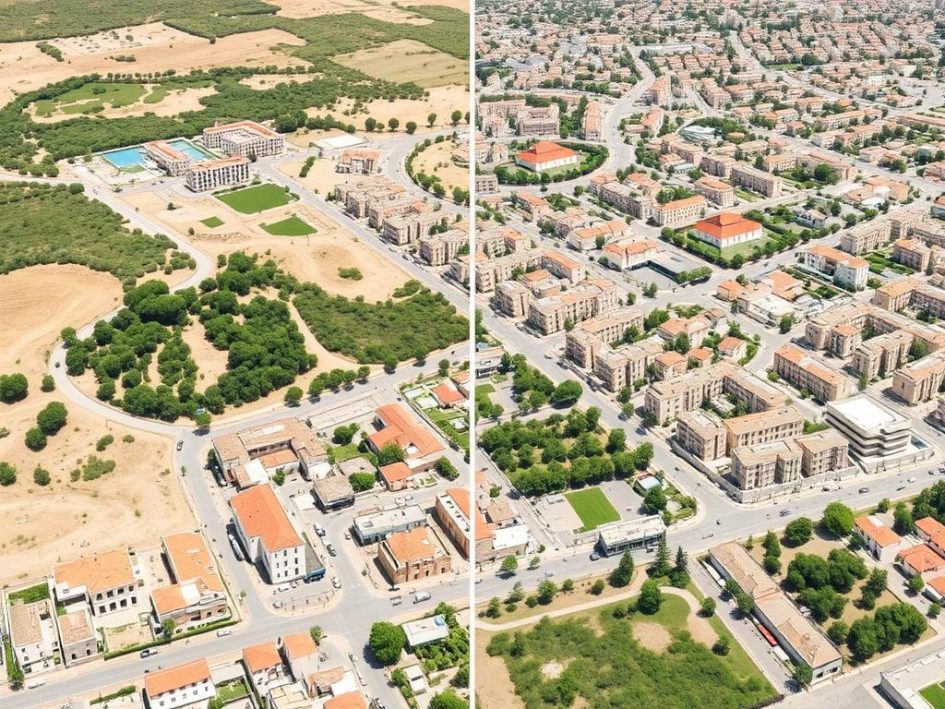
Choosing where and how to build a new home or invest in land has become increasingly complex in Cyprus as the island’s real estate market evolves and sustainability considerations rise. For land investors, developers, and homebuyers in 2026, the decision often comes down to two primary strategies: acquiring greenfield land Cyprus or engaging in brownfield redevelopment Cyprus. Each option brings its own set of opportunities, challenges, and regulatory implications that can significantly impact the success of a project.
This article aims to provide a comprehensive analysis of greenfield versus brownfield approaches specific to Cyprus in 2026. We will examine the technical, environmental, and legislative factors affecting construction permits Cyprus, explore the economic and ecological trade-offs, and assess the potential for future value growth. Whether you are looking to build a new home Cyprus or planning a land investment Cyprus 2026, understanding these distinctions will help you make an informed choice aligned with your goals and the island’s development policies.
What is Greenfield Land, and Why Consider It in Cyprus?
Greenfield land refers to parcels of undeveloped land that have not been previously built upon or used for significant industrial or urban activities. Typically located on the outskirts of urban zones or in rural settings, these lands are blank canvases where developers face few constraints related to demolition or remediation. In Cyprus, greenfield land often presents opportunities to create entirely new residential communities, resorts, or mixed-use developments from scratch.
The appeal of greenfield land Cyprus largely stems from the flexibility it affords. Developers can design infrastructure, layouts, and utilities tailored precisely to the project’s objectives without working around existing structures or contamination. This reduces initial complexities and sometimes expedites the process of obtaining construction permits Cyprus.
However, building on greenfield land is not without challenges. Cyprus has stringent environmental regulations to protect natural habitats, agricultural zones, and cultural heritage sites. Clearing greenfield sites can also contribute to urban sprawl, loss of biodiversity, and increased infrastructure costs—especially with necessary road, water, and electricity connections. Investors in 2026 must weigh these factors carefully during site selection and project planning.
Greenfield land Cyprus offers unmatched design freedom but demands careful environmental consideration to align with sustainable development goals.
Technical and Regulatory Aspects of Greenfield Development
From a technical perspective, greenfield projects in Cyprus require comprehensive feasibility studies, especially related to soil stability, water table levels, and accessibility. Since these lands are often farther from urban centers, costs for utility connections and infrastructure extensions can be significant. Still, the advantage lies in the ability to install modern amenities with advanced technologies and sustainable solutions from the outset.
Regarding construction permits Cyprus, authorities typically appreciate clear-cut greenfield projects with no prior usage. Yet, environmental impact assessments have become mandatory, especially if the land lies near protected areas or agricultural zones. Failure to comply with these assessments can delay permits or even halt viability altogether.
Understanding Brownfield Redevelopment Cyprus: Transforming the Old into New
Brownfield redevelopment Cyprus involves the renovation, reconstruction, or repurposing of land and properties that have previously been developed or used for industrial, commercial, or residential purposes. These sites often bear physical or environmental constraints, such as contamination or structural degradation, but present unique advantages due to their proximity to urban infrastructure and existing communities.
In Cyprus, brownfield sites are increasingly targeted for urban renewal projects that breathe new life into declining areas while preserving important architectural heritage. Given the limited availability of greenfield land close to cities, brownfield redevelopment offers an attractive alternative for building new homes or mixed-use schemes efficiently and sustainably.
Brownfield redevelopment Cyprus turns challenges of past land use into opportunities for urban regeneration and sustainable growth.
Environmental and Economic Challenges in Redevelopment Projects
Brownfield sites often require intensive environmental remediation to remove contaminants, stabilize soils, or manage hazardous materials. This adds to project costs and can increase the timeframe for securing construction permits Cyprus. However, advances in remediation technologies and supportive policies are gradually making redevelopment financially viable.
Economically, brownfield projects benefit from access to established infrastructure such as roads, water, sewage, and electricity, drastically lowering logistical costs compared to greenfield developments. They can also attract governmental incentives aimed at urban regeneration and sustainability. Investors focusing on land investment Cyprus 2026 should scrutinize the long-term value appreciation potential in such renewal areas.
Urban Policy and Regulatory Framework for Brownfield Redevelopment
Recent shifts in urban planning in Cyprus emphasize brownfield redevelopment as key to controlling urban sprawl and preserving green zones. The government, along with municipal authorities, has introduced expedited permitting processes and financial assistance for projects that contribute to urban densification and environment-friendly building practices.
Construction permits Cyprus for brownfield sites require thorough documentation of remediation plans, community engagement strategies, and architectural preservation commitments where applicable. These procedures ensure that redevelopment aligns with broader city planning goals and environmental standards.
Comparative Analysis: Greenfield Land vs Brownfield Redevelopment in Cyprus 2026
To aid in the decision-making process, it’s critical to compare key factors influencing your choice between greenfield land Cyprus and brownfield redevelopment Cyprus. These factors include environmental impact, cost implications, regulatory ease, infrastructure access, and long-term value.
| Factor | Greenfield Land Cyprus | Brownfield Redevelopment Cyprus |
|---|---|---|
| Environmental Impact | Potential habitat disruption; new infrastructure development | Requires remediation; preserves existing urban footprint |
| Initial Costs | Lower land acquisition cost; higher infrastructure setup costs | Higher remediation costs; lower infrastructure costs |
| Regulatory Complexity | Straightforward permitting if no protected zones involved | Complex permits due to remediation and heritage concerns |
| Infrastructure Availability | Often lacks existing utilities; needs substantial investment | Close to existing urban infrastructure; |
| Long-term Investment Potential | High with carefully selected locations | Strong in urban areas with regeneration momentum |
Both approaches ultimately contribute to Cyprus’s economic and social development, but the context and goals dictate which path suits a particular investor or builder best.
Land Investment Cyprus 2026: Strategic Considerations
Investing in land Cyprus 2026 requires a sophisticated understanding of market dynamics, regulatory landscapes, and environmental obligations. Greenfield land offers appealing prospects for expansive, controlled developments, especially in emerging areas with growing demand. Conversely, brownfield redevelopment aligns well with urban densification strategies and sustainability targets advocated by the government and the European Union.
The choice also depends on the investor’s time horizon, risk appetite, and expertise. Greenfield projects may provide cleaner, scalable opportunities but could face future restrictions with evolving land-use policies. Brownfield sites often demand more upfront technical attention but can benefit from quicker access to urban amenities and potentially faster market absorption.
Successful land investment Cyprus 2026 hinges on navigating regulatory frameworks and balancing cost-efficiency with sustainable development imperatives.
Obtaining construction permits Cyprus remains one of the most critical and sometimes challenging steps in any building project. The process involves assessments of environmental, architectural, and urban planning compliance. For greenfield land Cyprus, permits often focus on ensuring environmental safeguards and conformity with zoning laws. On the flip side, brownfield redevelopment applications require detailed remediation plans, proof of hazard mitigation, and alignment with conservation directives when historical buildings are involved.
Recent reforms have streamlined some aspects of construction permits Cyprus, including digitization of applications and coordinated inter-agency reviews. However, applicants must remain diligent in meeting the detailed criteria, and engaging local consultants with expertise in Cypriot regulations can significantly expedite approvals.
Future Outlook: Sustainable Development and Policy Trends in Cyprus
Looking toward 2026 and beyond, Cyprus is intensifying its commitment to smart growth principles, emphasizing sustainability, efficient land use, and heritage preservation. Both greenfield and brownfield projects must increasingly incorporate green building technologies, renewable energy systems, and low-impact designs. The government’s evolving frameworks encourage integrating these elements to qualify for favorable construction permits Cyprus and possibly access to funding or tax incentives.
The push for urban regeneration is expected to boost brownfield redevelopment demand, while well-planned greenfield developments will continue to cater to expanding residential markets outside core urban areas. Developers and investors need to remain adaptive, monitoring policy shifts and community trends to capitalize on emerging opportunities.
Making the Right Choice: Greenfield or Brownfield for Your Project in Cyprus 2026?
Deciding between greenfield land Cyprus and brownfield redevelopment Cyprus is fundamentally about aligning your project’s objectives with the island’s regulatory environment, market conditions, and sustainability priorities. Greenfield sites rank highly for complete design freedom and potentially lower acquisition costs but entail greater environmental scrutiny and infrastructure expenditure. Brownfield sites present promising proximity to city centers and infrastructure but demand technically complex remediation and have more rigorous permitting hurdles.
Investors and developers should assess:
- The intended scale and type of development.
- Projected timelines and budgets.
- Environmental sensitivities of the site.
- Accessibility to utilities and transport links.
- Regulatory environment and likelihood of permit approval.
With these criteria in hand, stakeholders can make balanced decisions that anticipate market needs and regulatory realities, ensuring successful outcomes for projects looking to build new home Cyprus or pursue land investment Cyprus 2026.
In Cyprus’s evolving landscape, the best building strategy integrates technical feasibility, environmental stewardship, and regulatory agility.
Building the Future: Embracing Opportunities in Cyprus’s Land Development Landscape
The debate between greenfield land and brownfield redevelopment in Cyprus is not merely about land types but about visionary planning for the island’s sustainable and prosperous future. In 2026, as environmental awareness rises and regulatory frameworks mature, developers and investors must balance ambition with responsibility. Greenfield developments can shape new communities that respect nature’s limits, while brownfield projects revitalize existing spaces, preserving cultural memory and infrastructure investments.
Ultimately, Cyprus offers dynamic potential on both fronts, with national and local policies evolving to support balanced growth. For those ready to build new home Cyprus or venture into land investment Cyprus 2026, success will come from detailed due diligence, strategic planning, and a nuanced understanding of how regulatory, environmental, and market forces interplay.
The path forward is one of informed choice and committed execution—an approach that positions developers and investors to contribute meaningfully to Cyprus’s ongoing evolution as a Mediterranean hub of quality living and sustainable innovation.
Frequently Asked Questions
- What are the main environmental concerns when developing greenfield land in Cyprus?
The primary concerns include habitat disruption, loss of agricultural land, and impact on biodiversity. Development must comply with environmental impact assessments to mitigate these risks. - How expensive is brownfield redevelopment compared to greenfield land acquisition in Cyprus?
Brownfield redevelopment often incurs higher upfront costs due to remediation but saves on infrastructure costs since utilities and roads already exist. Greenfield land might be cheaper initially but requires significant investment in infrastructure. - Are there government incentives for brownfield redevelopment projects in Cyprus?
Yes, Cyprus provides incentives such as expedited permitting and possible grants or tax benefits to encourage urban regeneration and sustainable redevelopment. - How long does the construction permit process usually take in Cyprus for each type of project?
Construction permits for greenfield projects tend to be faster if there are no environmental restrictions, typically a few months. Brownfield projects might take longer due to remediation plans and heritage assessments, sometimes extending beyond six months. - Can I build a new home Cyprus on either greenfield or brownfield sites?
Yes, building new homes is possible on both types of land, but regulatory requirements and costs differ significantly. Proper due diligence and adherence to permit conditions are essential. - What are the future trends in land development in Cyprus?
Trends include increased emphasis on sustainability, renewable energy integration, urban densification via brownfield redevelopment, and controlled greenfield expansion respecting environmental limits. - Is it easier to get construction permits for greenfield land or brownfield redevelopment?
Generally, greenfield projects have a more straightforward permit process if there are no significant environmental restrictions, while brownfield redevelopment often requires more detailed documentation and remediation plans, making the process more complex.