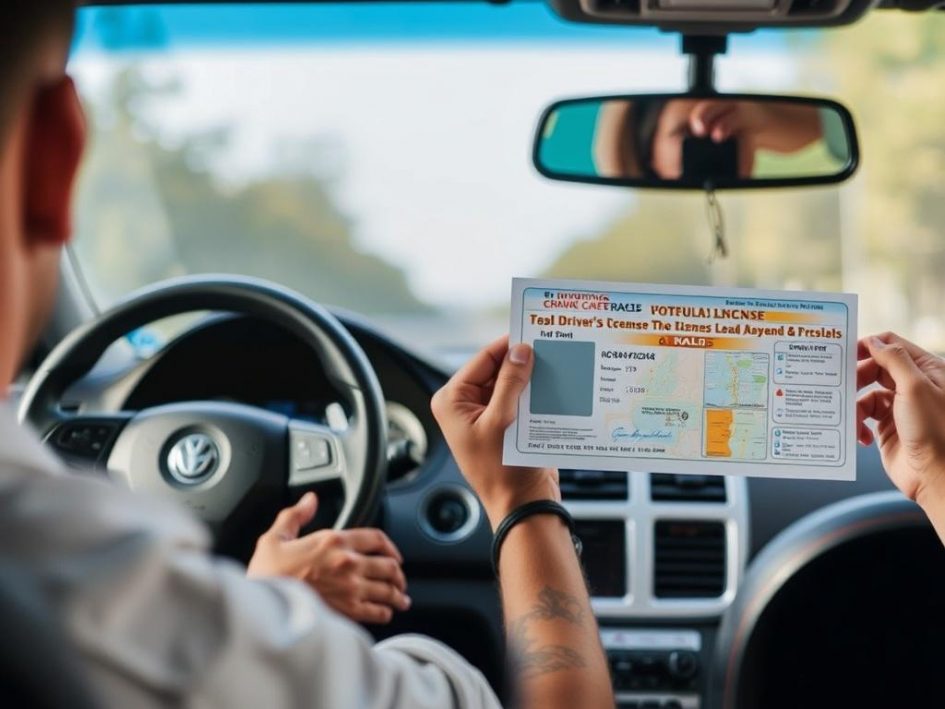
The moment you plan to live in or spend significant time driving in Cyprus, you confront a mix of practical bureaucracy and local habits that shape every mile you cover. If you are looking for reliable information while settling in or buying property, you will find useful leads such as real estate for sale in Limassol — but the job of getting legally on the road requires separate, precise attention. This article explains the mechanics of obtaining and converting a driving permit, complying with traffic laws, registering a vehicle, and adapting to local road culture so you can plan correctly and avoid common mistakes.
Understanding the official steps for license conversion and local driving rules clears the way for safe, lawful motoring in Cyprus.
Overview: Why the formalities matter
Moving a vehicle onto Cypriot roads is not just an administrative box to tick. It ties into personal liability, insurance coverage, tax obligations, and your legal right to drive. The Republic of Cyprus operates a structured licensing and vehicle registration system controlled primarily by the Department of Road Transport and enforced by the Police. Whether you arrive with an EU-issued driving license or one from outside the European Union, there are timelines and conditional allowances that determine if, when, and how you must apply for license conversion Cyprus authorities will accept.
At the same time, local driving rules and traffic enforcement practices reflect the island’s geography, vehicle fleet mix, and tourism-driven seasonal patterns. A practical familiarity with the driving rules Cyprus implements — the way roundabouts are used, how aggressive lane changes tend to be, or the preferred speeds on rural roads — is important for safety. Overlooking a single administrative deadline or a local custom can turn a routine journey into a fine, a legal complication, or an insurance dispute.
Administrative compliance and situational awareness together define how smoothly you can drive in Cyprus.
Cyprus regulates road use and driver qualification through a set of statutes and secondary regulations that cover licensing, traffic offences, vehicle standards, and insurance requirements. The Department of Road Transport handles driving license issuance, conversions, tests, and vehicle registration processes. The Police are primarily responsible for on-road enforcement, accident response, and issuing of fines.
Enforcement is conducted through roadside checks, automated speed and red-light cameras, and periodic roadside breath-testing operations. Administrative decisions such as license suspensions or impoundments are made following statutory procedures and often accompanied by a prescribed appeals mechanism. When exploring license conversion Cyprus processes, it is useful to understand how these agencies interact: the Department of Road Transport validates documentation and issues permits, while Police execute and monitor compliance under traffic laws Cyprus maintains.
Knowing which authority handles what gives you the correct procedural route when problems arise.
Understanding license categories and validity
Driver qualification in Cyprus adheres to a category system that mirrors international norms. Different categories cover private cars, motorcycles, buses, and heavy goods vehicles. The technical distinctions—weight thresholds for trucks, passenger caps for buses, or engine sizes for motorcycles—determine which category of driving license Cyprus requires for lawful operation of a particular vehicle type.
Licenses issued within the EU/EEA have specific reciprocal recognition rules: an EU license is generally valid in Cyprus and often can be used until renewal is necessary or until a resident is required to exchange it for a Cypriot document. Non-EU licenses may be valid short-term but typically require conversion or replacement if you establish residence. Factors that determine the path—exchange vs. retest—include the country of issue, whether it is in Latin script, and whether bilateral agreements exist.
Medical fitness and age requirements form part of the regulatory baseline. For certain categories—heavy vehicles and passenger transport—medical certificates and periodic re-assessments are standard. Always confirm category-specific medical rules before applying for tests or conversion, since the Department of Road Transport will withhold or restrict issuing licenses absent required evidence of fitness.
Category knowledge prevents you from taking the wrong test or applying for the wrong permit.
License exchange: the practical, step-by-step process
License conversion Cyprus procedures are a frequent concern for newcomers, expatriates, and returning citizens. While the exact documentation and timelines vary by origin country and your residency status, the procedural flow is consistent: verify eligibility, gather certified documents, submit an application, and either receive an exchange or be directed to testing. The following ordered checklist summarizes a typical pathway for converting a non-Cypriot driving license into a Cypriot one.
- Confirm residency status: you must normally be a resident to request conversion Cyprus authorities will recognize.
- Check reciprocal agreements: verify whether your country of issue has an exchange arrangement that allows conversion without tests.
- Collect documents: present your original license, identity document (passport or national ID), proof of address, and photograph; obtain translations if necessary.
- Submit medical declarations or certificates where required by license category.
- Pay prescribed fees and await administrative processing; if exchange is blocked, prepare for theory and practical tests.
- Obtain the new license and surrender the old one where statutory procedures require.
Because this list is a generalization, you should consult the Department of Road Transport for precise document checklists and localized steps. Some applicants will be asked to surrender their existing license to receive the Cypriot issuance; others will be allowed to retain their old license alongside the new one, depending on bilateral rules and EU provisions.
Start conversion planning early—timing and paperwork are the most common causes of delay.
Key documents, fees, and typical timelines
Processing times and fees fluctuate based on workload, the nature of the request, and any necessary background checks. For a straightforward exchange where an agreement exists between countries, the process may take a few weeks; where testing or additional verification is required, expect several months. Common administrative fees apply for both applications and for license issuance.
| Document / Requirement | Typical Need | Notes |
|---|---|---|
| Original driving license | Always | May need to be surrendered in exchange |
| Proof of residency | Always | Utility bill, rental contract, or residency certificate |
| Translation / notarization | If not in Latin script | Certified translation required |
| Medical certificate | For specific categories | Often required for professional licenses |
| Application fee | Always | Variable by application type |
Fees and exact document lists change periodically; the table above is illustrative. Allow extra time for translation and apostille processes if you obtained documents abroad. If you are converting an EU license, the paperwork is generally lighter, but you should still confirm whether a local photograph, address verification, or fee payment is expected.
Gather certified documents and translations before you start; that prevents repeated trips to the office.
Exams, practical assessments, and re-testing
When license conversion Cyprus pathways require testing, applicants face either theory exams, practical driving tests, or both. The theory exam assesses legal knowledge and hazard perception, while the practical test measures vehicle control, observation, and adherence to traffic rules. For commercial or heavy-vehicle categories, additional endorsements and training modules apply.
Preparation in a local driving school is advisable: instructors are familiar with local testing criteria, the expected maneuvers, and typical examiner priorities. Test centers schedule practical exams on limited slots; early booking is beneficial, especially in urban areas where demand is highest. If an applicant fails either exam, there will be mandated waiting periods and re-test fees; multiple failures may require additional training hours.
Retesting requirements also apply for revoked or long-expired licenses. If your license has lapsed beyond administrative grace periods, expect a more comprehensive reassessment. For professional drivers or individuals with medical conditions, periodic re-certification may be mandatory.
Local instruction tailored to Cypriot testing specifics increases passing chances significantly.
Residency rules and administrative pitfalls
Your residency status determines many legal obligations on the road. A temporary, tourist, or visitor permit offers different privileges and time windows compared to permanent residency. If you register as a resident but delay license conversion or car registration Cyprus insists upon, you can incur fines or insurance invalidation in the event of a claim.
Some common administrative traps include failing to update your address on an existing license, overlooking mandatory medical updates for professional categories, and missing renewal deadlines that trigger retesting. Another frequent complication arises where applicants assume that residency registration is automatic upon arrival; it is not—there are procedural steps that must be completed, and proof of completed registration is often required to finalize license conversions.
Residency status is the linchpin for administrative processes: make it official early in your move.
Car registration Cyprus: obligations and the registration workflow
Registering a vehicle in Cyprus is the next administrative layer after or alongside licensing. Car registration Cyprus rules address the legal ownership record, roadworthiness, public taxation, and license plates issuance. Whether you import a vehicle or buy one locally, there are clear documentary steps to establish legal registration.
At the time of registration you will typically present the vehicle’s title (or import documentation), proof of insurance, an emissions and roadworthiness certificate where required, identity and residency documents, and payment for registration taxes or duties. Imported vehicles may attract customs duties and value-added tax depending on origin and residency status.
- Obtain a valid insurance policy approved for Cyprus.
- Complete customs clearances for imported vehicles where applicable.
- Schedule a roadworthiness inspection if the vehicle is used or older than the statutory threshold.
Once registered, your vehicle must carry the issued plates and be insured to at least the minimum third-party level. Failure to register on time risks fines, impoundment, or the inability to sell the vehicle later without clearing legal liabilities. For people buying second-hand cars, always request the official registration document from the seller and verify the vehicle is debt- and fine-free before transfer.
Full registration is your legal shield: it confirms ownership and ensures insurance and tax compliance.
Insurance, taxes, and ongoing compliance
Insurance practices in Cyprus require minimum third-party coverage for all vehicles. Most drivers choose comprehensive policies for peace of mind, but commercial and passenger-carrying vehicles often have additional mandatory endorsements. Your insurance premium is influenced by factors such as driving history, vehicle type, engine size, and claims record.
Taxation linked to car registration includes initial registration tax, road tax (vehicle excise duty), and possibly customs duties for imports. Road tax is usually calculated according to engine size and emissions standards. Keep in mind that failing to pay road tax or maintain compulsory insurance are routine causes for administrative stops and fines.
Periodic obligations include renewing registration documents, paying annual taxes, and ensuring the vehicle passes required inspections. Some changes such as ownership transfers, modifications to the vehicle, or changes of residency must be reported and may trigger additional administrative steps.
Insurance and tax upkeep are continuous responsibilities that protect you and your vehicle legally and financially.
Driving rules Cyprus: what you must know on the road
Cypriot driving aligns with European traffic principles but has specific local characteristics. One definite fact: driving is on the left-hand side of the road, with the driver seated on the right of the car in privately imported right-hand-drive vehicles commonly used on the island. Roundabouts are a frequent traffic feature and are navigated in a clockwise manner consistent with left-hand driving.
Obedience to posted speed limits, seat belt requirements, and child restraint regulations are strictly enforced. Use of mobile phones while driving is generally prohibited unless using a hands-free system. Road signs conform to EU pictograms, and lane discipline is expected in urban and interurban networks. Always carry key documents while driving—your license, vehicle registration, and proof of insurance—because police can request them during traffic stops.
Local driving habits vary between urban centers, mountainous interior roads, and coastal routes. Touristic season traffic can alter flow and enforcement patterns. Police presence is higher on busy arterial roads and near popular tourist locations during peak months. Anticipate variable pedestrian behaviors in town centers and plan for narrow roads in older villages.
Left-side driving and adherence to signage are the most immediate adjustments for new drivers in Cyprus.
Enforcement, fines, and penalties
Traffic laws Cyprus prescribes are enforced through fines, demerit systems, license suspensions, and in severe cases, criminal prosecution. Common infractions—speeding, using a mobile phone while driving, driving without insurance, and failing to use seatbelts—carry immediate fines and may require court attendance for serious offences.
Fines are issued either on the spot by police or by post for camera-detected violations. Non-payment of fines can escalate into administrative warrants and affect future administrative interactions such as vehicle registration or license renewals. If a license is suspended due to accumulated demerit points or serious offences, the reinstatement process usually involves satisfying financial penalties and sometimes retesting.
For international drivers, an important practical point: outstanding fines and unresolved administrative sanctions remain linked to the vehicle and its owner. If you plan to leave the country temporarily, settle fines and notify the authorities appropriately to avoid complications when you return.
Address fines promptly—unresolved penalties complicate renewals, transfers, and cross-border travel.
Practical tips for newcomers and long-term residents
Adapting to Cyprus roads requires a fusion of legal compliance and local pragmatism. Invest time in understanding local signage, practice left-side driving under controlled conditions if you are unfamiliar, and choose an insurance policy that covers tourist and resident contingencies. Maintain records of all administrative actions: application receipts, tax payments, and correspondence with the Department of Road Transport.
If you plan to buy a car, obtain a vehicle history report, verify ownership, and arrange to complete registration at the same sitting if possible. For lease and rental contracts, read the fine print about cross-border limits and damage excesses. Keep the emergency numbers and roadside assistance contacts easily accessible.
Finally, language can be a barrier. Many administrative centers operate in Greek and English; however, some forms and local communications are primarily in Greek. Consider a trusted translator for complex transactions or when dealing with legal notices.
Combining legal readiness with local knowledge and cautious driving improves safety and reduces costs.
Accidents, police stops, and what to do next
Being involved in an accident or stopped by police is stressful; having a clear, practiced response reduces escalation. Immediately secure the scene if possible, provide first aid or arrange help, exchange identity and insurance details with the other parties, and contact emergency services for serious injuries. Notify your insurer quickly to begin the claims process and to confirm whether the policy covers towing, repairs, and liability.
When stopped by police for routine checks, cooperate calmly, present requested documents, and note the officer’s identification in case of disputes. If you receive a fine and believe it has been issued unfairly, follow the formal appeal process described on the issuing notice—procedural adherence is often the only way to reverse administrative decisions.
For cross-border movement, remember that legal recognition of certain foreign documents differs between the Republic of Cyprus and the areas administered separately in the north of the island; crossing into the Turkish Cypriot-administered areas can involve separate rules and restrictions. Verify insurance coverage if you intend to cross checkpoints and always carry appropriate proof of coverage and registration.
Document the scene, cooperate with authorities, and notify your insurer immediately after an incident.
Digital services, useful contacts, and where to get help
Several online portals and local providers streamline the administrative processes. The Department of Road Transport frequently provides downloadable forms, fee schedules, and contact lists on its official site. Many local municipal offices and private agents can assist in translations, scheduling appointments, and preparing complex importation or registration paperwork.
Useful contacts typically include the Department of Road Transport for licensing issues, the Traffic Police for enforcement queries, your insurer for claim processes, and licensed garages or test centers for roadworthiness inspections. Expats often benefit from community forums and local expat groups that share practical experience and recommend reliable service providers.
- Department of Road Transport — licensing, conversions, and vehicle registration inquiries.
- Traffic Police — traffic enforcement, accident reports, and fines.
- Insurance providers — policy clarifications and claims handling.
- Local driving schools — preparation for theory and practical tests.
Keep a small folder—physical or digital—with scanned copies of your most important documents. Doing so accelerates interactions with authorities and provides proof if originals are misplaced.
Use official online resources and trusted local services to reduce administrative friction.
Driving Confidently in Cyprus: Your Next Moves
Arriving at the end of this practical guide, the actionable summary is straightforward: determine your residency status, verify whether your existing license qualifies for direct exchange or requires testing, prepare and certify the necessary documents, and complete vehicle registration and insurance before you use your car for anything other than short-term travel. Each of these steps reduces legal risk and protects you from avoidable penalties.
On the behavioral side, acclimatize to left-hand driving, practice in low-traffic environments if you are switching from right-side driving, and respect local traffic culture while maintaining defensive driving habits. Investing in a few hours of professional instruction under local conditions is often a cost-effective way to increase confidence and reduce the risk of fines or collision-related claims.
Finally, approach the administrative process as part of the transition to living on the island rather than as an unfortunate hurdle. Properly handled, license conversion Cyprus and car registration Cyprus become routine, opening access to the freedom of driving in an island with varied landscapes and convenient road networks. If you follow the steps described here and consult official channels for updates, you will reduce surprises, be prepared for seasonal variations in traffic and enforcement, and enjoy safer, legally compliant travel around Cyprus.
Plan, document, and adapt: the combination turns complex administrative tasks into routine mobility.
Frequently Asked Questions
- Q: Can I use my EU driving license indefinitely in Cyprus? A: EU licenses are generally recognised and can be used in Cyprus, but residents are typically expected to exchange them for a local document within certain administrative timeframes; check the Department of Road Transport for current rules.
- Q: What documents do I need for license conversion Cyprus procedures? A: Typical documents include your original driving license, proof of identity and residency, passport-sized photos, translations if necessary, and any required medical certificates for specific categories.
- Q: Do I have to register my car immediately after moving to Cyprus? A: If you become a resident and intend to use a vehicle long-term, you should register it according to Cyprus law to ensure insurance and tax compliance; time limits vary, so act promptly.
- Q: Is driving on the left mandatory across Cyprus? A: Yes, in the Republic of Cyprus vehicles drive on the left-hand side of the road; this is a fundamental rule you must follow.
- Q: How do I handle a traffic fine issued while I was a short-term visitor? A: Pay or appeal the fine according to the instructions on the notice; ignoring it can result in administrative enforcement and complications on future visits.
- Q: Are translations required for non-Latin-script licenses? A: Yes, if your license is not in a readable script authorities typically require a certified translation and possibly an apostille or legalisation.
- Q: Where do I go for reliable, official information about traffic laws Cyprus enforces? A: Consult the official Department of Road Transport and the Traffic Police websites or offices for authoritative, current information and downloadable forms.