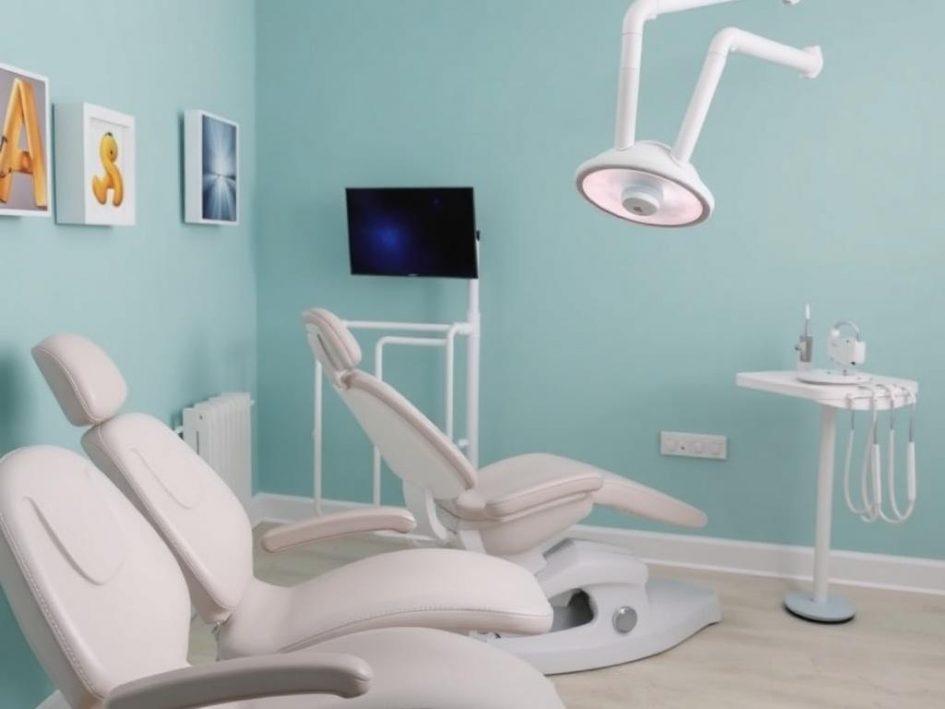
Moving to Cyprus brings practical questions about housing, visas, and healthcare — and for many long-term residents the ability to find quality dental services is high on the list. If you are also scanning property listings or researching houses for sale in Cyprus, it’s wise to pair that search with a careful analysis of dental protection options available locally. Understanding how dental insurance works in Cyprus will affect your budget, how you select a dentist, and what treatments you can access without surprise costs.
This article maps the landscape of dental insurance Cyprus can offer to foreign residents and guides you, step by step, through the decisions that matter most to expats. We will examine public and private structures, the kinds of plans you can buy, what typical policies cover and exclude, payment and claims mechanics, and practical ways to choose and use oral health coverage Cyprus providers offer. It is written for an international reader who expects nuance, clarity, and immediate utility when planning for dental care Cyprus-style.
Overview of Dental Care in Cyprus for Expats
Dental care Cyprus offers is delivered through a mix of public clinics, private practices, and specialist referral centers. Historically, Cyprus relied heavily on private dentistry; the public health system has expanded in recent years, but private clinics remain the most accessible option for routine and specialized care. For expats navigating this system, the crucial variables are access, cost, and whether a given treatment will be reimbursed by a private insurer or the public health program.
Expats will encounter a system that provides competent clinical skills and modern equipment in many urban centers — particularly in Nicosia, Limassol, Larnaca, and Paphos. Outside larger towns, services may be more limited and travel times longer, making an understanding of dentist networks and emergency routes essential. The modern reality is that the combination of private provision with voluntary insurance products means planning ahead is the best way to avoid unexpected out-of-pocket expenses.
Dental services in Cyprus are reliable in urban centers, but planning for costs and network availability is the key advantage insurance provides.
Healthcare dental Cyprus policies vary: some integrate dental benefits into broader medical plans while others are standalone dental plans. The choice you make depends on whether you anticipate major restorative work, need only preventive care, or require immediate emergency coverage upon arrival. The next sections will differentiate these options and explain what expat dental coverage Cyprus residents commonly choose.
Public System Versus Private Practices and How Insurance Fits
The public dental care system in Cyprus has been extended to provide basic oral health services under the National Health Scheme (GESY). However, public dental clinics mainly cover emergency care, extractions, and some basic restorative procedures. Many routine and elective procedures — including cosmetic dentistry, implants, and advanced prosthodontics — are generally performed in the private sector.
Insurance interacts with both sectors in different ways. Public coverage can reduce costs for certain treatments through eligibility criteria, while private dental insurance Cyprus plans reimburse for a wider array of procedures but often at specified rates and with limits. For many expats, a hybrid approach — relying on GESY where eligible and maintaining a private policy for comprehensive coverage — strikes the best balance between cost and access.
Think of public coverage as a safety net for basic needs; private insurance is what you buy for predictable, broader oral health coverage Cyprus lacks in the public domain.
| Feature | Public Clinics (GESY) | Private Practices |
|---|---|---|
| Primary focus | Emergency care, basic restorations | Routine care, implants, cosmetic work |
| Waiting time | Potentially longer | Shorter; appointment-based |
| Costs to patient | Lower or subsidised for eligible patients | Higher fees; insurance reimbursements possible |
| Network requirement | No formal network | Insurers may require network dentists |
The table above summarises the structural differences. If you plan to live in Cyprus long-term, check whether your employment contract, residency visa, or family situation qualifies you for GESY and how that affects your need for private dental insurance Cyprus policies.
Types of Dental Insurance Available to Expats
Several product categories dominate the market for expat dental coverage Cyprus options. The main distinctions are whether the product is standalone dental insurance or an add-on to a broader health plan, whether it operates on a reimbursement basis or through a dentist network, and whether it targets routine care, major restorative procedures, or emergency coverage.
Before choosing a plan, clarifying your baseline needs will help: do you want routine preventive coverage, predictable pricing for restorative work, or only coverage for emergencies and major operations? The insurance landscape supports each of these needs but in different ways and at different price points.
Standalone Dental Plans
Standalone policies focus exclusively on dental care. They are usually less expensive than comprehensive health plans with dental riders, and they can offer generous benefits for routine check-ups, cleanings, X-rays, and simple restorations. Limitations commonly include waiting periods for major work like crowns or root canals and caps on annual benefits.
- Best for: Expats who need routine care and minor restorations.
- Typical structure: Lower premiums, focused benefits, waiting periods for major procedures.
Integrated Health Plans with Dental Riders
Some international or local insurers sell broad health policies with an optional dental component. These can be attractive because administrative integration simplifies claims, and premiums can be competitive when bundled with other medical benefits. However, dental limits may be modest compared with standalone dental plans targeted expressly at dental care Cyprus clientele.
When evaluating integrated plans, pay attention to combined annual maximums and whether dental claims erode the overall health limit.
What Expat Dental Coverage in Cyprus Typically Includes
Coverage inclusion varies widely by plan, but most policies fall into three coverage bands: preventive, basic restorative, and major restorative. Preventive services generally include prophylaxis (cleaning), exams, and X-rays. Basic restorative services encompass fillings and extractions. Major restorative covers crowns, bridges, inlays, root canals, and implants but often with conditions and co-payment requirements.
Most expat dental coverage Cyprus policies emphasize prevention to reduce the likelihood of expensive restorative work later on.
Policies also differ in how they define emergency care. In many policies, emergency coverage for acute pain or trauma is available immediately, whereas elective restorative treatments are subject to waiting periods. This structure reflects insurable risk: insurers prefer to pay for short-term, acute events and require evidence of ongoing eligibility for long-term investments such as implants.
| Benefit type | Common coverage | Notes |
|---|---|---|
| Preventive | 100% or co-pay for cleanings, exams | Often limited to 1–2 visits per year |
| Basic restorative | 70–90% for fillings, simple extractions | May require co-payment |
| Major restorative | 30–70% or fixed allowances | Subject to waiting periods and caps |
| Orthodontics/cosmetic | Rarely covered | Often explicitly excluded or optional rider |
Clear policy wording is essential because definitions vary — for example, some insurers classify a root canal as basic while others treat it as major. Precise reading of terms will prevent unpleasant surprises when claims are filed.
How to Choose a Policy: Practical Steps for Expats
Choosing the right plan requires an ordered approach: identify needs, compare benefits and exclusions, verify provider networks, and model out expected costs across realistic treatment scenarios. Use a checklist to make comparisons objective.
Decide whether you want lower regular premiums with higher out-of-pocket costs or higher premiums that give predictable cover for major procedures.
- Step 1 — Assess oral health needs: Evaluate your current dental health, any planned procedures, and family requirements.
- Step 2 — Shortlist insurers: Focus on companies with established operations in Cyprus or reputable international carriers servicing the region.
- Step 3 — Compare coverage details: Check waiting periods, annual limits, network restrictions, and co-pay percentages.
- Step 4 — Estimate total annual cost: Include premiums, expected co-payments, and potential out-of-pocket maximums.
- Step 5 — Clarify claims and reimbursement process: Understand documentation and timelines for payments.
When evaluating expat dental coverage Cyprus options, pay special attention to age-based premium increases, continuity protections for pre-existing conditions, and whether the insurer supports English-language claims processing. These factors materially affect long-term satisfaction with a policy.
Costs, Waiting Periods, and Common Exclusions
Expect variability in pricing. Premiums depend on age, geographic location, level of benefits, and whether the plan is standalone or part of a broader health product. Waiting periods are a standard risk-management tool and often last three to 12 months for basic restorative treatment and six to 24 months for major restorative work. Exclusions frequently include cosmetic procedures, pre-existing untreated conditions, and certain elective surgeries.
Knowing typical exclusions helps prevent unpleasant surprises. Cosmetic procedures — such as veneers or elective whitening — are commonly excluded. Implants may be restricted or subject to a separate rider. Additionally, many policies exclude treatment for conditions arising during an initial “probationary” period after policy inception.
Typical Waiting Period Examples
Understanding typical waiting windows will shape expectations when you buy insurance soon after arrival in Cyprus.
- Emergency and pain relief: often immediate.
- Preventive care (cleanings/exams): immediate to 3 months.
- Basic restorative (fillings, extractions): 3–6 months.
- Major restorative (root canals, crowns, implants): 6–24 months.
There are exceptions: insurers sometimes waive waiting periods for policyholders switching from another insurer if continuity of cover can be proven. If you are relocating and currently have coverage, gather documentation proving continuous dental coverage to reduce waiting times.
How to Find Dentists and Use Your Coverage
Network restrictions influence costs and convenience. Some dental insurance Cyprus policies operate on a “cashless” basis when you visit a contracted provider; the insurer pays the clinic directly, and you only pay any co-pay. Other policies reimburse you for out-of-pocket payments after you submit bills and clinical notes.
When selecting a dentist, weigh the following practical criteria: language skills of the staff, experience with expat patients, clarity of pricing, acceptance of your insurer, and proximity to where you live. For major restorative work, ask for clinical portfolios and references. Most reputable private clinics publish their fee schedules and have English-speaking staff to assist expats.
Choose dentists who understand the claims process for your insurer — this reduces paperwork and speeds reimbursements.
Travel time and local transport also matter. If you live in a rural area, verify whether emergency walk-in hours exist or whether you may need to travel to an urban center in a dental emergency. Many expats choose to live near larger towns partly because dental care Cyprus providers there are more comprehensive and efficient.
Special Considerations: Pre-existing Conditions, Emergencies, and Annual Caps
Pre-existing conditions are a complex area of underwriting. Many insurers exclude or limit coverage for dental problems known before policy inception. If you have ongoing dental issues or recent treatments, declare them honestly on application forms. Failure to disclose can lead to claims being denied and policy cancellations later.
Emergency dental coverage deserves separate attention. Look for plans that define “dental emergency” clearly and provide 24/7 helplines or referral networks. Emergency coverage will typically include acute pain management, temporary restorations, and procedures necessary to stabilize you until definitive care can be arranged.
Annual Maximums and Lifetime Limits
Annual limits cap the insurer’s payment obligation for the policy year; lifetime limits cap total payouts across the policy lifespan. For major restorative dentistry, plans with low annual maximums may be insufficient. If you anticipate implants or complex prosthodontics, seek higher caps or a policy specifically designed to accommodate such needs.
It is not uncommon for expats to supplement a primary policy with a dedicated dental riders that raises the dental-specific annual cap while keeping overall premiums moderate.
Pitfalls and Red Flags When Buying Dental Insurance in Cyprus
Expats should watch for ambiguous contract language, hidden co-insurance clauses, excessive exclusions, and a lack of local claims support. Some common red flags are insurers that limit payments to an “average market price” that is not defined, providers who do not publish a dentist network list, and policies that increase premiums unpredictably after the first year.
Ambiguous terms and lack of transparent fee schedules are the most reliable predictors of claim disputes.
Before committing, ask the insurer specific, written questions: what is the policy’s definition of major dental work, what documentation is required for a claim, how quickly are emergency claims settled, and how are disputes handled? If the answers are evasive or take too long to arrive, that is a warning sign.
Claims Process, Documentation, and Tips for Smooth Reimbursements
Documentation is the backbone of any successful dental claim. Typical required items include the completed claim form, original invoices with detailed treatment codes and descriptions, clinical notes or treatment plans from the dentist, and radiographs when applicable. Photographs may also be requested for prosthodontic or cosmetic claims.
To streamline reimbursements: ensure invoices specify diagnostic codes and material breakdowns; obtain pre-authorisation for any treatments expected to exceed a defined threshold; and if the policy reimburses rather than pays directly, confirm the expected turnaround time for reimbursements and whether payments are made in local currency.
- Tip: Always request a detailed treatment plan and cost estimate before starting major dental work.
- Tip: Keep digital copies of all paperwork; many insurers accept online uploads and this shortens processing time.
- Tip: Confirm whether emergency visits require a separate incident report or special documentation for out-of-hours claims.
Some insurers will require translation of documents into Greek or English; choose a provider with bilingual claims support if you expect language barriers. Efficient communication and careful paperwork typically determine whether a claim is paid smoothly or contested.
Dental Tourism and Cross-border Options
Dental tourism is a real factor in Cyprus due to competitive pricing and proximity to several neighbouring countries. Some expats combine travel with dental procedures, especially for expensive treatments like implants. When considering dental tourism, confirm whether your policy will reimburse treatments performed abroad and whether the insurer requires pre-authorisation.
Cross-border treatment can be economical, but it raises issues of continuity of care and follow-up. If complications arise, you will need local dental support; verify whether local clinics will treat follow-up problems if the original work was performed overseas.
Dental tourism can lower upfront costs but increases logistical complexity for claims and post-treatment care.
If you plan to receive care abroad, gather itemised invoices, surgical reports, prosthetic details, and photographic records to submit to your insurer. Some insurers offer specific travel-assist services for cross-border dental procedures and can advise on pre-authorisation requirements.
Choosing Between International and Local Insurers
International insurers often offer policies that are portable and provide multi-country coverage — useful for expats who travel frequently. They tend to have higher premiums but more established claims processes and English-speaking customer service. Local Cypriot insurers may offer lower premiums and better local clinic networks but may have limitations for treatment received abroad and may have Greek-language policy documents.
Evaluate whether portability, English claims support, and global coverage justify the premium difference. For long-term residents whose treatments will be performed predominantly in Cyprus, a local insurer with a large private clinic network can be the most cost-effective solution. For mobile expats, an international plan may be more sensible.
Cost-Benefit Scenarios: Case Studies
Understanding potential costs under different scenarios helps to pick the right coverage. Consider three illustrative profiles: a healthy single adult, a family with children, and an older adult needing restorative dentistry. Each profile has distinct needs and cost sensitivities.
Profile A — Healthy Single Adult
A young professional who requires only preventive care is best served by a low-premium standalone plan covering two cleanings per year and annual exams. This reduces the chance of acute costs and keeps premiums low.
Profile B — Family with Children
Familiar dental needs, potential orthodontics for children, and routine check-ups suggest a plan with extended preventive coverage and optional orthodontic riders. Families often benefit from family-level caps and child-specific benefits.
Profile C — Older Adult with Restorative Needs
An older individual anticipating crowns, bridges, or implants should target higher annual caps and shorter waiting periods for major restorative work. While premiums are higher, the financial protection for expensive procedures tends to offset out-of-pocket exposure.
Each case demonstrates how tailoring a plan to predictable needs reduces total lifetime cost and improves care continuity.
Negotiating and Customising Policies
Policymakers and brokers can sometimes tailor a package to bridge between what the public health system offers and what you need from private coverage. Negotiable elements include annual caps, co-insurance percentages, and waiting periods. If you have recent dental records and a clear treatment plan, insurers may offer bespoke quotations that factor in anticipated costs more fairly.
Brokers with local experience can advise on insurer reliability, typical claim turnaround times, and clinic acceptance. Use a reputable broker to compare quotes and to receive a translated explanation of policy wordings where necessary.
How Residency Status Affects Eligibility and Pricing
Residency and employment status change your options. Permanent residents with GESY eligibility may receive a basic level of dental care for free or at reduced rates, which means your need for comprehensive private dental insurance Cyprus-wide may be lower. Temporary residents and some work visa holders may not be eligible for public benefits and therefore will rely wholly on private coverage.
Insurers may ask about residency status, length of stay, and whether you possess proof of prior insurance. Premiums and waiting periods can vary if you apply as a non-resident or as someone recently arrived in Cyprus.
Regulatory Environment and Consumer Protections
Insurance in Cyprus is regulated by the Supervisor of Insurance and Private Pensions, which enforces consumer protections and solvency standards. When choosing a dental insurer, verify their regulatory status and whether they are authorised to sell health or dental products in Cyprus. Registered insurers must provide specific disclosures and have complaint-handling mechanisms.
Consumers have formal recourse if an insurer acts unfairly; you can file complaints with the regulator and follow mediation processes. Understanding these protections makes it easier to judge an insurer’s trustworthiness.
Practical Checklist for Newcomers
Before finalising any purchase, complete this practical checklist to reduce friction later:
- Collect recent dental records and X-rays.
- Confirm GESY eligibility, if relevant.
- Request a full policy wording in English or your preferred language.
- Obtain estimated costs from preferred local dental clinics.
- Check waiting periods and pre-existing condition clauses carefully.
- Compare network lists and whether your chosen dentist is included.
- Ask about cross-border treatment and whether foreign invoices are accepted.
Fulfilling these steps will make the first year of residency much smoother and will save time and money if major care is needed.
Make Your Smile Secure: Next Steps for Expats
Deciding on dental insurance Cyprus-wide is both a logistical and strategic choice. Start by auditing your and your family’s dental histories and projecting plausible needs over the next two to five years. Then shortlist insurers that clearly document benefits, waiting periods, and exclusions. If you need rapid access to extensive restorative care, prioritise higher caps and shorter waiting periods, even at the cost of higher premiums. Conversely, if you are in good oral health and confident in routine care, a preventative-focused, lower-cost standalone plan often suffices.
Contact providers to obtain written answers to any policy ambiguities, collect pre-existing treatment documentation, and if appropriate, obtain quotes from both local and international insurers to evaluate portability versus local convenience. Remember that your choice interacts with your housing, travel, and residency plans — the same careful planning that goes into choosing houses for sale in Cyprus should apply to choosing the right dental protection.
Secure the right policy before problems occur; prevention, clarity, and documentation are the best measures to protect your oral health and financial wellbeing in Cyprus.
With the guidance above, you can structure reliable oral health coverage Cyprus residents deserve: a mix of public entitlements where available and private protection for predictable, high-cost events. As you finalise living arrangements and settle into life in Cyprus, keeping this roadmap at hand will simplify interactions with dentists, insurers, and the public health system.
Resources and Where to Find Further Help
For authoritative details, consult the official GESY portal for public benefits and the website of the Supervisor of Insurance and Private Pensions for regulatory information. Local expat forums and international health insurance brokers with Cyprus experience provide practical feedback on insurers’ responsiveness. Finally, reputable dental clinics often publish transparent fee schedules and can help with pre-authorisation paperwork for insurers.
Keep copies of all correspondence and pre-authorisations, and cultivate a relationship with a primary dentist who can coordinate interdisciplinary care should you need prosthodontics or surgical interventions in the future.
Final Practical Notes: Protecting Your Oral Health Without Surprises
Dental protection for expats in Cyprus need not be complex or costly if you plan methodically. Prioritise clarity in policy wordings, verify networks, and maintain good preventive habits. The financial peace of mind that comes with appropriate dental insurance Cyprus offers allows you to focus on resettlement, work, and enjoying the island rather than worrying about unexpected clinical bills.
Make a decision that reflects not just current health but plausible future needs: small-premium savings today can lead to much higher out-of-pocket costs tomorrow if major restorative work becomes necessary. Structured planning, precise documentation, and informed comparisons will help you get the balance right.
1. What types of dental insurance are best for expats in Cyprus? Answer: Standalone dental plans suit expats seeking routine preventive care at lower premiums; integrated health policies with dental riders are better for those who want combined administrative simplicity and broader health cover. Choose based on anticipated restorative needs and travel patterns. 2. Will GESY cover my dental treatment in Cyprus? Answer: GESY provides basic dental services, mainly emergency care and limited restorations. It does not typically cover extensive private procedures such as implants or high-end prosthodontics, so many expats supplement with private dental insurance. 3. How long are waiting periods for dental procedures? Answer: Waiting periods vary: emergency care is often immediate, preventive care may be immediate to 3 months, basic restorative typically 3–6 months, and major restorative work 6–24 months. Continuity of prior coverage can sometimes reduce these periods. 4. Can I get reimbursed for dental work done outside Cyprus? Answer: Some insurers reimburse cross-border treatments if the policy allows it and you obtain pre-authorisation. Check your policy’s foreign treatment clauses and ensure you keep detailed invoices and clinical records for claims. 5. What documentation is required to file a dental claim? Answer: Commonly required documents include a completed claim form, itemised invoices with treatment codes, clinical notes or treatment plans, radiographs, and photographs where relevant. Confirm specific insurer requirements beforehand. 6. Are implants and orthodontics usually covered? Answer: Implants and orthodontics are often excluded or require optional riders; when covered, they may be subject to long waiting periods and higher co-payments. Obtain explicit written confirmation if these treatments are a priority. 7. How do I choose between a local Cypriot insurer and an international provider? Answer: Choose a local insurer for better local networks and potentially lower premiums if you will receive most care in Cyprus. Choose an international insurer for portability, broader language support, and if you travel frequently. Compare policy wordings, claims processes, and network access before deciding.